Rising Tensions: Iran-U.S. Strikes Escalate Conflict in the Middle East
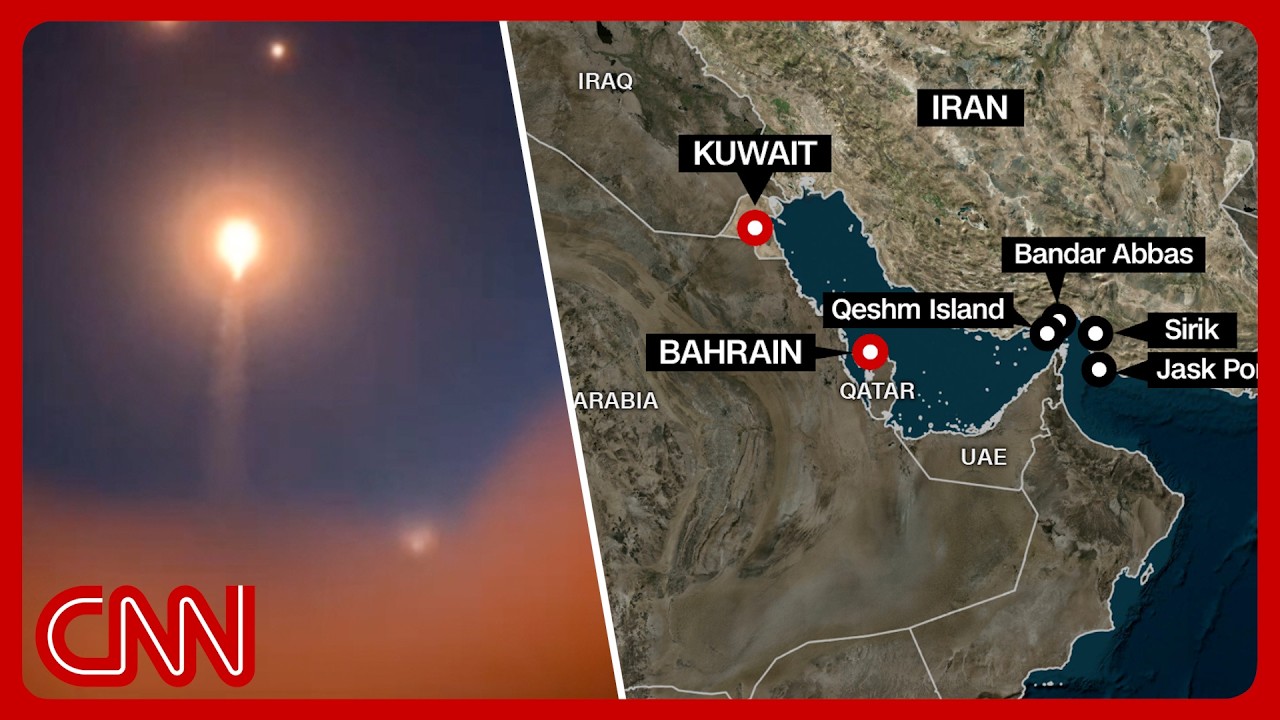
In a significant escalation of hostilities, Iran has claimed responsibility for launching strikes against U.S. assets throughout the Middle East, including a military base in Jordan and the U.S. Fifth Fleet stationed in Bahrain. The attacks follow a series of U.S. retaliatory strikes, including the recent downing of an Apache helicopter over contested waters, which the U.S. attributes to Iranian actions.
Reports indicate that Iran’s Islamic Revolutionary Guard Corps (IRGC) executed aerial attacks utilizing drones and ballistic missiles. The strikes targeted not only U.S. military facilities but also reportedly struck civilian infrastructure, including reservoirs that provide drinking water to over 20,000 people, amplifying concerns about humanitarian impacts.
Complicating these developments, both Bahrain and Kuwait announced they intercepted several Iranian projectiles aimed at U.S. assets. Video footage geolocated by CNN seemingly captures an explosion emanating from the area of the U.S. naval base in Bahrain, underscoring the rising stakes in the region.
Presidential Stance and Diplomatic Challenges
U.S. President Donald Trump, in a stark departure from his previous rhetoric, has hinted at the possibility of more extensive military action against Iran. Speaking to Fox News, he remarked that Iran "will have to pay the price" for their continued provocations, arguing that ongoing negotiations have stalled. He indicated a willingness to target Iranian bridges and power plants, asserting that current diplomatic efforts have not progressed as hoped. This marks a notable shift from his earlier optimism about a potential deal, previously described as within days.
Central Command (Centcom) stated that their recent strikes were intended as a “warning shot,” emphasizing their proportionality. However, uncertainties linger regarding whether these military actions have sufficiently contained Iranian responses to ensure that diplomacy remains a viable option.
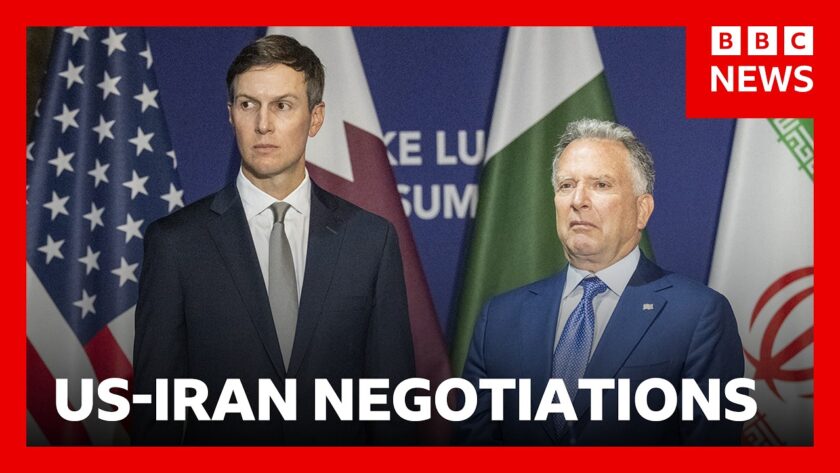
Through this turbulent period, the fragility of the ceasefire established in previous negotiations has been tested, especially following a weekend marked by significant military exchanges. Despite the recent rhetoric, indications from diplomatic channels suggest that discussions between the U.S. and Iran may still be on the table. A delegation from Qatar is reportedly in Tehran, working to mediate and bridge longstanding gaps between the two nations.
The Humanitarian Cost of Conflict
Iran’s military leadership has described the assaults on U.S. military installations as necessary retaliation. They claimed the U.S. strikes constituted a violation of their sovereignty. This charge is particularly alarming given that infrastructure such as desalination plants has been hit, impacting civilian populations. The reported deprivation of drinking water for thousands highlights the severe humanitarian consequences of military engagements in the region.
As tensions continue to escalate, the ongoing conflict between the U.S. and Iran raises significant legal and ethical questions regarding the targeting of civilian infrastructure in warfare. The legality of such strikes remains contentious, with international law prohibiting attacks on civilian targets. However, officials argue that if military facilities are co-located with civilian structures, there may be grounds for these actions under military law. This reasoning, however, does little to assuage the concerns of affected civilians and humanitarian workers.
A Fragile Path Forward
The intricate web of military engagements, retaliatory strikes, and ongoing diplomatic efforts reflects a precarious balance. While both sides may be hesitant to escalate to full-scale war, the rhetoric and actions have heightened fears of an unintended spiral into broader conflict.
As global observers watch closely, the urgency for a robust diplomatic resolution grows. The region’s stability depends not only on military preparedness but also on genuine negotiations aimed at addressing the underlying issues that fuel this prolonged conflict. The stakes are incredibly high, both for the geopolitical landscape and the humanitarian well-being of millions affected by the ongoing strife.
In summary, the dynamic situation in the Middle East underscores the fragility of peace amidst ongoing violence and complicated negotiations. The international community must urge both sides to find a balanced approach to prevent further escalations and address the dire humanitarian impacts of their actions.